Celebrating Connection and Regional Collaboration
Last month, the Central Comprehensive Center (Central CC) Advisory Board met in Denver. It was great to bring people together for a day of sharing, learning, and idea generation. Representatives from all seven states—Colorado, Kansas, Missouri, Nebraska, North Dakota, South Dakota, and Wyoming—attended.
Our Advisory Board is critical to guiding our work. We rely on their perspectives and feedback to help ensure our technical assistance is responsive, relevant, and aligned with regional needs. During the meeting, we engaged in a thoughtful discussion about the Central CC’s services, focusing on strengths, opportunities, and ways to best support states’ evolving needs. These conversations provided valuable perspectives that will help inform our ongoing work.
Board members emphasized the importance of delivering evidence-informed support, remaining adaptable to state contexts, and recognizing the time demands facing education leaders and practitioners. In addition, members learned more about projects across the region, creating opportunities to connect around shared needs, challenges, and learning opportunities. Discussions highlighted common areas of focus, including chronic absenteeism, literacy, and mathematics.
Stay tuned for more resources from these projects. In the meantime, below you will find project share-outs from Kansas and Wyoming, as well as our continuing work on assessments.
If you have any thoughts about our services, send us an email. We’d love to hear from you.
Resource Recap
Read about Kansas’ cross-agency partnership, Wyoming’s process for supporting districts with resource allocation reviews, and accountability assessment considerations in our most recent blog posts.
Highlighting Our Work
Improving outcomes for students means strengthening the systems, policies, and people behind them. Members of our Central CC team share insights about our projects and work in this video, created by NORC at the University of Chicago.
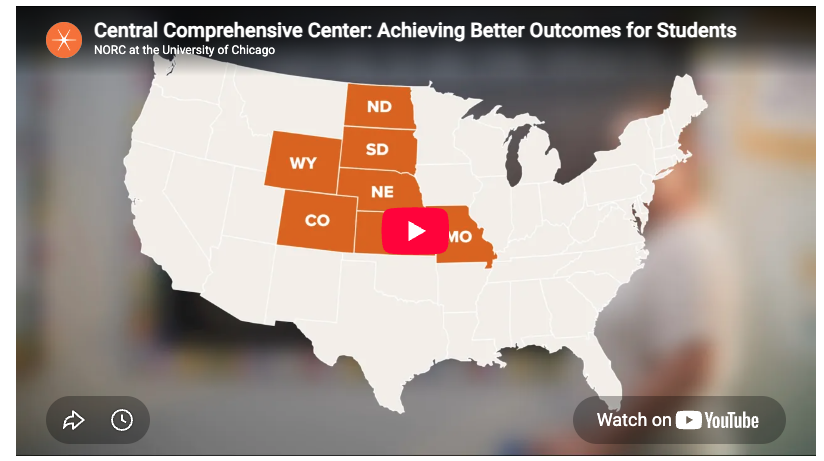
To learn more about NORC and NORC’s work within the education field, sign up for their education newsletter here.
In Case You Missed It …
Here are a few additional Central CC resources we’ve shared recently.
> Exploring Within-Year Assessments
> Report: Considerations for Assessment Flexibility Approaches
> Brief: Innovation in Assessment and Accountability Systems
We are grateful for your time and support. Please stay in touch and be part of the conversation. We’ll also be sharing updates regularly here on the blog and on our LinkedIn page. If there’s a topic you’d like to hear more about, reach out and let us know!